


After a long day at school, kids often need more than a snack and some screen time.
They need a chance to move, play, relax, and reset.
But for many families, the hours between school and dinner can be one of the busiest parts of the day. Kids come home tired or restless, parents are preparing dinner, homework still needs to get done, and everyone may be trying to transition from one part of the day to the next.
The good news is that you don't need a complicated schedule or a full afternoon of activities.
Sometimes, 30 minutes in the backyard is enough to help the whole family reset.
A simple after-school backyard routine can give kids an opportunity to get outside, burn off some energy, and spend meaningful time away from screens before moving on to homework, dinner, or evening activities.
Here's a simple 30-minute backyard routine that families can easily adapt to their own space and schedule.
Why a Backyard Reset Can Help After School
School requires children to spend hours sitting, listening, concentrating, and following routines.
When they get home, they may need a completely different kind of activity.
Outdoor play gives kids a chance to move their bodies and make their own choices. Instead of sitting down immediately after school, they can run, jump, kick a ball, swing, or simply explore the backyard.
The goal isn't to create another structured class or training session.
It's simply to create a short transition between school time and home time.
A consistent backyard routine can also make afternoons easier for parents. Rather than asking, "What should we do today?", your family can follow a familiar pattern.
And because the routine only takes 30 minutes, it doesn't have to interfere with homework, dinner, or other responsibilities.
The 30-Minute After-School Backyard Routine
Here's a simple structure:
- 5 minutes: Get outside and decompress
- 10 minutes: Active movement
- 10 minutes: Choose-your-own backyard play
- 5 minutes: Slow down and transition indoors
The exact activities can change from day to day.
The important part is keeping the overall rhythm consistent.
Minutes 0–5: Get Outside and Decompress
The first five minutes should not feel like a workout.
Kids have just finished a full school day, so give them a chance to transition naturally.
Put backpacks inside, grab some water, and head outside.
You can start with simple activities such as:
- Walking around the backyard
- Tossing a ball back and forth
- Stretching
- Looking for something interesting in the yard
- Talking about the school day
- Taking a few slow breaths
- Letting kids choose where they want to start
This is also a good time for parents to connect with their kids.
Instead of immediately asking about homework or grades, try simple questions such as:
"What was the funniest thing that happened today?"
"What was your favorite part of the day?"
"What do you want to do first?"
The goal is to create a mental transition.
School is over.
Now it's backyard time.
Minutes 5–15: Get Moving
Once kids have had a few minutes to decompress, it's time to add some active movement.
This doesn't need to be complicated.
The backyard itself can become a simple play area where kids can jump, run, balance, kick, or chase.
Try a Backyard Movement Challenge
Give kids a few simple challenges:
- 10 jumps
- Run from one side of the yard to the other
- 10 squats
- Five high jumps
- Throw and catch a ball 10 times
- Dribble a soccer ball around a few objects
- Balance on one foot
- Create an obstacle course
For younger children, turn the activities into a game.
For example:
"Can you jump five times without stopping?"
"Can you get from here to the other side without touching the grass?"
"Can you score three goals before I do?"
The objective isn't to make children complete a perfect workout.
It's to make movement fun enough that they don't think of it as exercise.
Use Backyard Equipment to Make Movement More Fun
Different types of backyard equipment can create different kinds of movement.
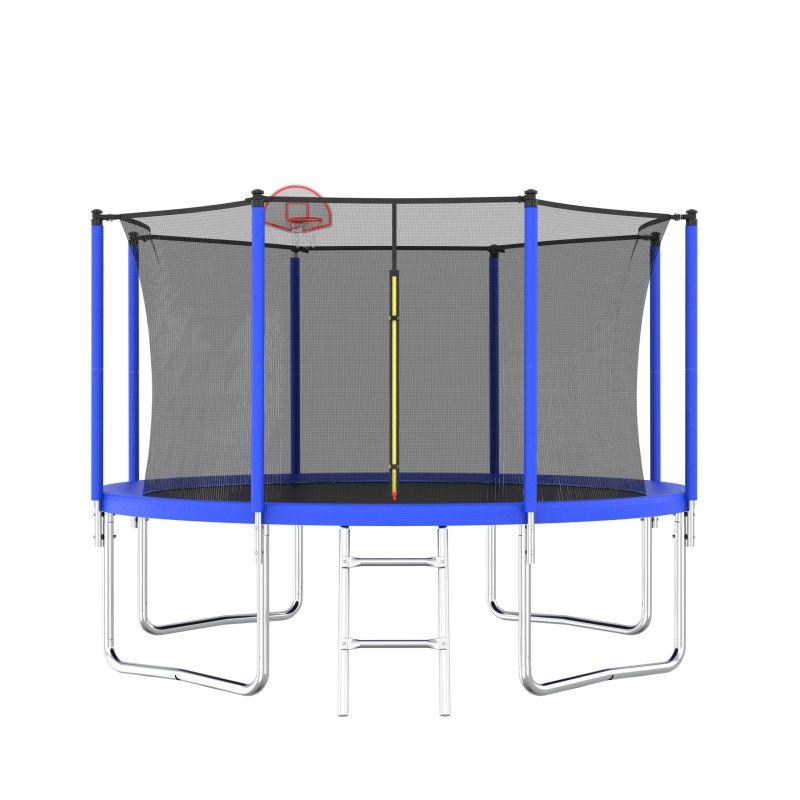
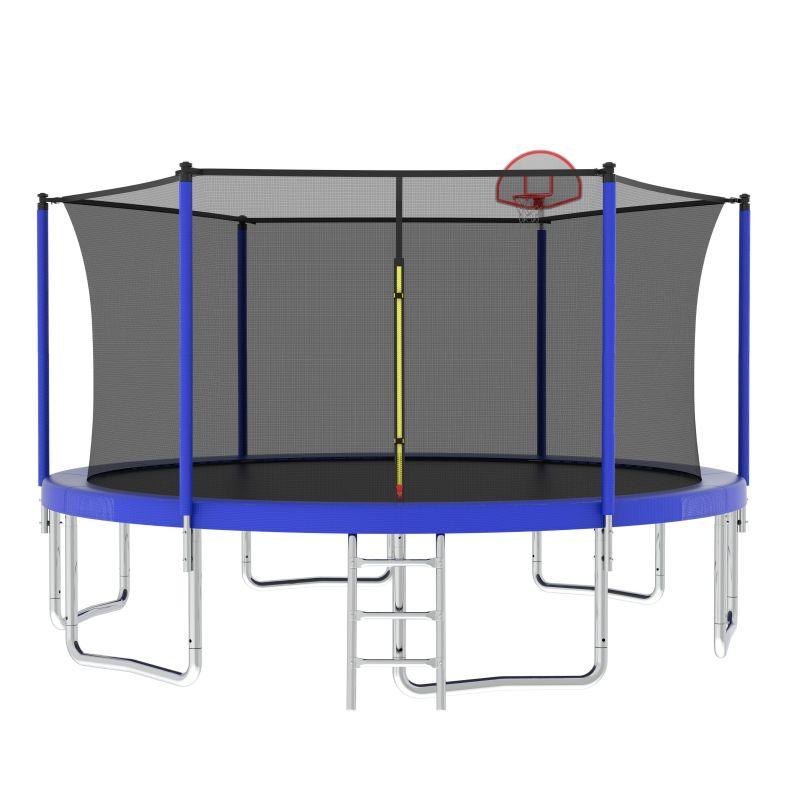
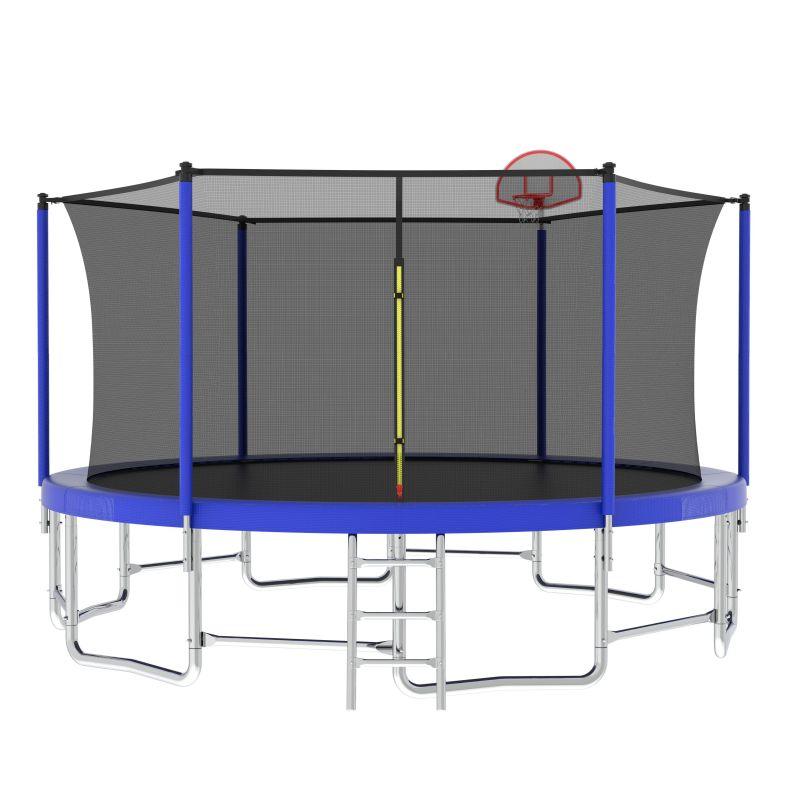
A trampoline can turn jumping into an energetic activity that kids can enjoy independently or with siblings.
A swing can provide a slower movement option when children aren't ready for high-energy play.
A soccer goal can turn a small section of the backyard into a quick practice area for kicking, shooting, and friendly competition.
The advantage of having different play options is that children can choose an activity based on their mood and energy level.
Some days they may want to jump.
Other days they may want to practice soccer.
And sometimes they may just want to swing.
Minutes 15–25: Let Kids Choose the Game
This may be the most important part of the routine.
For the next 10 minutes, let children decide what they want to play.
Why?
Because not every after-school afternoon needs to be organized by adults.
Free play gives children an opportunity to make decisions, create their own games, and interact with siblings or parents in a less structured environment.
You can provide the space and equipment.
They can decide what happens next.
Backyard Game Ideas
If kids need a little inspiration, try:
Trampoline Challenge
Create simple jumping challenges such as:
- How many jumps can you do?
- Can you create your own jumping sequence?
- Can siblings take turns creating challenges?
Soccer Shooting Game
Set up a soccer goal and create a simple scoring game.
For example:
- 1 point for a regular goal
- 2 points for a corner shot
- 3 points for hitting a target
You can adjust the rules based on your children's ages and abilities.
Backyard Obstacle Course
Use safe household or outdoor objects to create a simple course.
Kids can:
- Run around cones
- Jump over low obstacles
- Crawl under a safe area
- Carry a ball
- Finish with a jump or kick
Let children help design the course.
That can make the activity even more engaging.
Parent vs. Kids
Sometimes the easiest game is the most fun.
Challenge your kids to a short competition.
It could be:
- Soccer
- Races
- Catch
- Jumping challenges
- Ball toss
- Obstacle courses
The goal isn't necessarily to win.
It's to spend 10 minutes doing something together.
Minutes 25–30: Slow Down Before Going Inside
After 20 minutes of movement and play, don't rush directly into homework or dinner.
Use the final five minutes to slow things down.
This creates a natural transition from active outdoor play back to the rest of the evening.
Try:
- Gentle stretching
- Drinking water
- Walking around the backyard
- Sitting on the porch
- Talking about the game
- Putting outdoor equipment away together
You can also create a simple family habit:
"One thing you enjoyed today."
Each person shares one thing they enjoyed.
It only takes a minute, but it gives everyone a chance to reconnect before moving on to the next part of the evening.
Then it's time to head inside.
Backpacks come out.
Homework starts.
Dinner gets prepared.
And the afternoon continues.
How to Make the Routine Work for Different Ages
Not every child needs the same kind of backyard activity.
The basic 30-minute structure can stay the same while the activities change.
For Younger Kids
Keep activities simple and playful.
Try:
- Jumping
- Running games
- Swinging
- Ball games
- Simple obstacle courses
- Pretend-play adventures
Young children don't need complicated instructions.
Give them a safe space and a few options, then let their imagination take over.
For Elementary-Age Kids
Older children may enjoy more structured challenges.
Try:
- Soccer shooting competitions
- Timed obstacle courses
- Jumping challenges
- Races
- Partner games
- Backyard skill challenges
You can also let them create their own rules.
For Siblings of Different Ages
This can be more challenging because children may have different abilities and interests.
Instead of making everyone do exactly the same activity, create different roles.
For example:
One child can shoot soccer goals.
Another can collect the balls.
A younger child can create the scoring system.
Or one child can complete an obstacle course while another times them.
The goal is participation, not identical performance.
What If Kids Don't Want to Go Outside?
This is completely normal.
Especially after a long school day, some kids may immediately ask for a tablet, television, or video game.
Instead of turning outdoor time into an argument, make the transition easier.
Start Small
You don't have to announce:
"We're going outside for 30 minutes."
Try:
"Let's go outside for five minutes first."
Once they're outside and moving, they may naturally want to stay longer.
Give Them Choices
Instead of saying:
"Go play outside."
Try:
"Do you want to jump, play soccer, or swing?"
Giving children a choice can make the activity feel less like another instruction from an adult.
Keep Equipment Ready
If outdoor equipment is already set up and easy to access, spontaneous play becomes much easier.
A trampoline, soccer goal, swing, or simple collection of balls can turn the backyard into a ready-to-use play space.
You don't need to organize a new activity every afternoon.
The environment itself can encourage play.
You Don't Need a Huge Backyard
A backyard reset doesn't require a huge outdoor space.
The key is creating a few different opportunities for movement and play.
Even a smaller backyard can include:
- A small area for kicking a soccer ball
- A space for jumping or movement games
- A swing or other active play option
- A place to sit and relax
- A few portable outdoor toys
Think of the backyard as a flexible family play space rather than a playground that needs to contain everything.
You can rotate activities throughout the week instead of trying to use every piece of equipment every day.
A Simple Weekly Backyard Routine
Once your family gets comfortable with the 30-minute format, you can create a simple weekly rotation.
Monday: Jump & Move
Focus on jumping, running, and simple movement challenges.
Tuesday: Soccer Day
Practice shooting, passing, dribbling, or play a short backyard game.
Wednesday: Free Play
Let kids choose what they want to do.
Thursday: Family Challenge
Parents and kids compete in a fun backyard challenge.
Friday: Backyard Wind-Down
Keep the activity relaxed and let everyone choose their favorite backyard activity.
This prevents the routine from becoming repetitive while keeping the basic structure familiar.
Make the Backyard Part of Your Family's Daily Routine
The best backyard routine isn't necessarily the most impressive one.
It's the one your family can actually repeat.
You don't need an elaborate schedule.
You don't need a professional sports setup.
And you don't need to spend hours planning activities.
A simple 30-minute routine can be enough:
5 minutes to transition.
10 minutes to move.
10 minutes to play.
5 minutes to slow down.
Over time, these small moments can become a regular part of family life.
The backyard becomes more than a place where kids go when they are bored.
It becomes a place where they can move, play, compete, explore, and spend time with the people they love.
And for busy families, sometimes that's exactly what an afternoon needs.
Turn Your Backyard Into a Place for Everyday Family Play
A great backyard doesn't have to be complicated.
The most useful outdoor space is one that makes it easy for your family to step outside and start playing.
Whether your kids want to jump on a trampoline, practice soccer, swing after school, or create their own backyard game, having different play options gives the whole family more ways to enjoy the outdoors.
At MERSCO, we believe the backyard should be more than an empty space behind the house.
It can be a place where families move, play, laugh, and spend time together—one afternoon at a time.
Ready to make your backyard more fun for the whole family? Explore MERSCO's backyard play collection and find the right activities for your family's outdoor space.

Leave a comment