


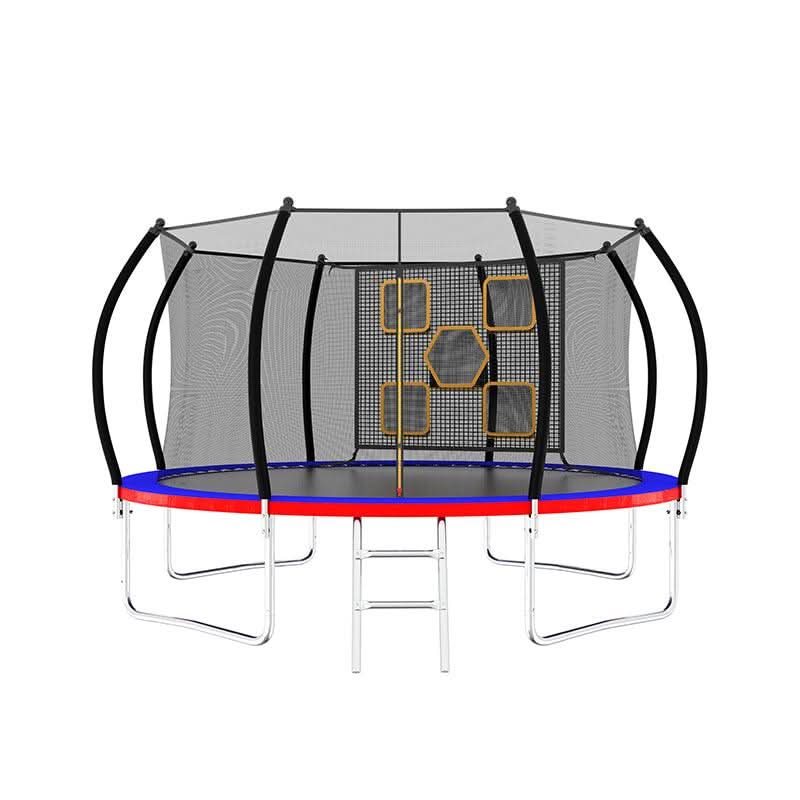



Trampoline materials usually include metal, polypropylene or PVC jump mats, foam fillers, and various synthetic or natural rubber components for springs or elastic ropes. For most people, these materials are safe, but for those with allergies, it is important to understand the potential risks of each component. Let me introduce to you some of the main materials and potential allergens of trampolines.
Common materials and potential allergens:
-
Polypropylene (cover pad):
Polypropylene is a type of plastic that is typically hypoallergenic and unlikely to cause allergic reactions. However, in rare cases, some people may be sensitive to certain chemicals used in the production process. -
PVC (for filling):
PVC (polyvinyl chloride) is commonly used as a filler and edge pad. Although PVC itself is not a common allergen, it may sometimes contain additives such as plasticizers, which can cause irritation to the skin of sensitive individuals. If the filling or padding comes into direct contact with the skin, it may pose a risk to individuals who are sensitive to chemicals. -
Foam filler:
The foam filler is usually made of polyurethane foam and is usually safe. However, some people may be sensitive to volatile organic compounds (VOCs) released by foam, especially when trampoline is new. This may cause respiratory problems or skin irritation in sensitive individuals. -
Rubber components (elastic rope):
Some trampolines use natural rubber or synthetic rubber as the material for springs or elastic ropes. Natural rubber may contain latex, which is a known allergen. For people who are allergic to latex, they should avoid using trampolines containing natural rubber components. Synthetic rubber such as chloroprene rubber or silicone is usually a safer alternative, but it is important to check the specific materials used.
Safety considerations for allergic individuals:
Check material labels:
-
Check material labels:
Before purchasing a trampoline, check the product specifications or contact the manufacturer to confirm the materials used, especially if you or your family members have known allergies. -
Allergen free options:
Find trampolines labeled with hypoallergenic or non allergenic ingredients. Some manufacturers may offer alternatives to avoid common allergens such as latex. -
Concerns about gas volatilization:
If you are sensitive to chemicals, you can consider putting the trampoline components outdoors or in a well ventilated place for ventilation before use, especially if it contains foam filler or PVC components. -
Use protective equipment:
For increased safety, people with sensitive skin can consider wearing long sleeves, pants, and gloves when using trampolines to reduce direct contact with materials.
Kommentar hinterlassen