


Summer may be coming to an end, but that doesn't mean backyard fun has to stop.
For many American families, fall is one of the most enjoyable seasons to spend time outdoors. The weather becomes cooler, the backyard feels more comfortable, and weekends offer opportunities to relax and enjoy activities together.
However, the changing season also brings new challenges for outdoor equipment.
Falling leaves, increased moisture, stronger winds, and fluctuating temperatures can affect your backyard trampoline over time.
Whether your family plans to continue using the trampoline throughout fall or prepare it for winter, proper maintenance is essential.
The good news? Taking care of your trampoline doesn't have to be complicated.
With a little attention and a simple maintenance routine, you can help protect your investment and keep your trampoline in good condition for future backyard adventures.
Here's a practical fall trampoline maintenance checklist every parent should know.
1. Begin With a Thorough Trampoline Inspection
Before cleaning or making seasonal adjustments, start by inspecting your trampoline.
Summer often means frequent use, especially in households with active children. After months of jumping and outdoor exposure, different components may show signs of wear.
Walk around your trampoline and carefully examine the entire structure.
Pay attention to the following components:
Trampoline Frame
Check the metal frame for visible damage, unusual bending, corrosion, or loose connections.
A stable frame is an essential part of the trampoline's overall structure. If you notice significant damage, stop using the trampoline until the issue has been properly evaluated.
Jumping Mat
Look for tears, fraying, loose stitching, or areas that appear excessively worn.
Even relatively small areas of damage deserve attention because the jumping mat experiences repeated stress during use.
Springs
Inspect the springs for deformation, damage, or significant corrosion.
Make sure they are securely attached according to the manufacturer's instructions.
Safety Enclosure
Examine the enclosure net, entrance closure, support poles, and connection points.
Look for torn netting, loose attachments, or deteriorated protective padding.
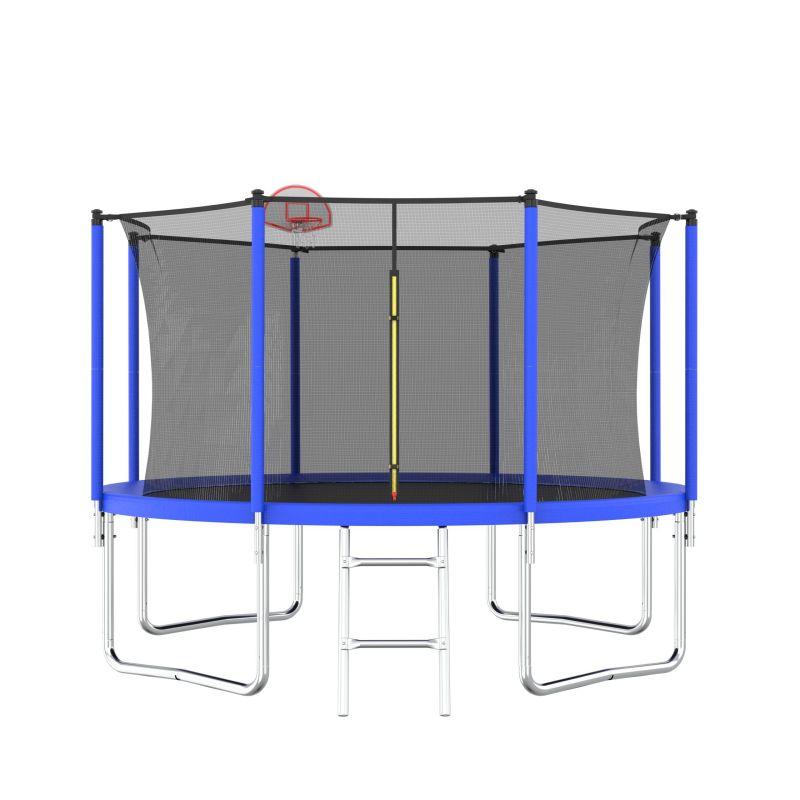
Understanding how these parts work together can make seasonal inspections easier. If you're unfamiliar with the structure, our guide to the main components of a trampoline provides an introduction to the different parts of a backyard trampoline.
A careful inspection allows you to identify potential problems before they become more serious.
2. Remove Leaves and Seasonal Debris
One of the most noticeable changes in fall is the accumulation of leaves.
While a few leaves may seem harmless, large amounts of debris can make your trampoline dirty and difficult to maintain.
Leaves can collect on the jumping mat, around the frame, and underneath the trampoline.
When leaves become wet, they may retain moisture for extended periods.
Over time, accumulated dirt and moisture can contribute to unnecessary wear.
To clean your trampoline:
- Remove large leaves and branches by hand.
- Use a soft brush or broom to clear remaining debris.
- Inspect the edges of the jumping mat.
- Clean around the frame and spring area.
- Remove accumulated leaves from underneath the trampoline.
Avoid sharp tools or abrasive cleaning equipment that could damage the jumping surface.
If your backyard has several trees, consider checking the trampoline more frequently during peak leaf-falling periods.
A quick cleanup every few days may be easier than dealing with several weeks of accumulated debris.
3. Clean Your Trampoline Before Colder Weather Arrives
Fall is an excellent time for a more thorough cleaning.
Throughout summer, outdoor equipment can collect dust, pollen, grass, and other debris.
Cleaning your trampoline helps remove buildup and makes the components easier to inspect.
For most routine cleaning, mild soap and water are a good starting point, provided they are appropriate for your trampoline's materials.
Use a soft cloth or sponge rather than abrasive brushes.
Focus on the jumping mat, protective padding, accessible frame surfaces, and other washable components.
Always follow the manufacturer's cleaning instructions.
Avoid using bleach, strong solvents, or other harsh chemicals unless the manufacturer specifically recommends them.
After cleaning, rinse away soap residue and allow the equipment to dry thoroughly.
Try to choose a dry day for this task.
Cleaning immediately before several days of rain may make it harder for the trampoline to dry properly.
4. Pay Special Attention to Moisture
Fall weather varies widely across the United States.
Families in California may experience relatively mild conditions, while households in the Northeast or Midwest may face frequent rain, colder temperatures, and early frost.
Regardless of location, moisture management matters.
Rainwater, damp leaves, and prolonged humidity can affect some trampoline materials and components.
Regularly remove debris that traps moisture.
Inspect metal connections and hardware for signs of corrosion.
If your trampoline includes protective padding, make sure it remains properly positioned and inspect it for deterioration.
Avoid placing unnecessary objects on the jumping surface where they could collect water.
After rainfall, give the trampoline enough time to dry before anyone uses it.
Wet jumping surfaces can become slippery, increasing the risk of losing balance.
If rain has left your equipment damp, you can explore to dry a wet trampoline for additional cleaning and drying ideas. Always follow the manufacturer's instructions and ensure the equipment is completely dry and suitable for use before allowing anyone to jump.
The objective is not to keep every outdoor surface completely dry at all times.
Instead, focus on preventing unnecessary buildup and identifying problems early.
5. Check Your Trampoline's Anchoring System
Fall often brings stronger winds and unexpected storms.
Because trampolines have large surface areas, wind can create significant forces on the equipment.
This makes anchoring an important part of seasonal maintenance.
If your trampoline uses an anchoring system, inspect it according to the manufacturer's instructions.
Look for loose connections, damaged straps, or anchors that have shifted.
Remember that soil conditions can change after heavy rainfall.
An anchoring system that appeared secure during summer may need attention after prolonged wet weather.
However, anchoring does not guarantee that a trampoline will remain secure during severe storms.
If extreme weather is expected, follow the manufacturer's recommendations regarding disassembly or other protective measures.
Never assume that a trampoline is safe during a major storm simply because it has been anchored.
Taking preventive action before severe weather arrives is an important part of responsible trampoline ownership.
6. Inspect the Safety Net and Protective Padding
The enclosure and protective padding are important parts of the trampoline's design.
They should never be overlooked during seasonal maintenance.
Start by walking around the enclosure.
Look for holes, loose stitching, damaged attachment points, or deterioration caused by outdoor exposure.
Check that the entrance closure functions correctly.
Next, inspect protective padding around the frame and springs, where applicable.
Padding should remain securely positioned and free from damage that compromises its intended coverage.
If any component is damaged, consult the manufacturer about appropriate replacement parts.
Do not attempt improvised repairs to critical safety components.
Using compatible replacement parts helps maintain the equipment as intended by its manufacturer.
7. Decide Whether to Keep Your Trampoline Outside
Not every family needs to disassemble a trampoline when fall arrives.
In regions with mild weather, families may continue enjoying backyard play throughout much of the season.
However, conditions vary significantly.
Consider these questions:
- Does your area experience strong seasonal winds?
- Is heavy snowfall common?
- Does the manufacturer recommend winter disassembly?
- Will your family continue using the trampoline regularly?
- Is the equipment in suitable condition for continued outdoor use?
If your trampoline will remain outside, continue inspecting it throughout the season.
If disassembly is recommended, follow the manufacturer's instructions for removing, organizing, and storing components.
Clean and dry removable parts before storing them.
Store them in an appropriate location away from unnecessary moisture and damage.
For families living in colder regions, autumn is also a good time to prepare storage space before winter weather arrives.
This can make the transition easier when temperatures begin to drop.
8. Establish a Simple Fall Maintenance Schedule
One of the easiest ways to maintain your trampoline is to create a routine.
You don't need to complete a major cleaning project every weekend.
Instead, divide maintenance into manageable tasks.
Weekly Tasks
Remove leaves and visible debris.
Check for obvious damage.
Look around the trampoline for new hazards, including fallen branches.
Monthly Tasks
Inspect the jumping mat, springs, frame, enclosure, and protective padding.
Check connections and anchoring equipment.
Clean accumulated dirt.
Before Severe Weather
Review the forecast.
Follow the manufacturer's storm preparation instructions.
Check nearby trees and outdoor objects that could create hazards.
At the End of Fall
Complete another thorough inspection.
Determine whether the trampoline should remain outdoors or be stored.
Prepare for the weather conditions expected in your region.
A consistent maintenance routine is generally easier than trying to address multiple problems at once.
9. Encourage Safe Backyard Habits During Fall
Seasonal maintenance is only one part of responsible trampoline ownership.
Families should also pay attention to how and when the trampoline is used.
Wet jumping surfaces can become slippery.
Strong winds and storms create additional hazards.
Poor visibility during darker fall evenings can also make outdoor activities more difficult to supervise.
Follow the manufacturer's age, weight, supervision, and usage guidelines.
Only one person should jump at a time, and somersaults or flips should be avoided.
Children should not use a trampoline when weather or equipment conditions make it unsafe.
Parents can help establish simple rules that remain consistent throughout the year.
Fall can still offer plenty of enjoyable outdoor moments, but safety should always come before convenience.
10. Think of Maintenance as Long-Term Backyard Care
A trampoline is often one of the larger pieces of equipment in a family backyard.
It represents an investment in outdoor recreation and family time.
Taking care of it should be part of your broader backyard maintenance routine.
Just as families maintain outdoor furniture, playground equipment, and landscaping, trampolines benefit from regular inspection and cleaning.
These habits may help reduce unnecessary wear and support longer-term ownership.
At MERSCO, we believe that backyard equipment should be part of a family's evolving outdoor space.
As seasons change, the backyard can continue offering opportunities for play, connection, and shared experiences.
And as children grow, the backyard can grow with them—becoming a place for new activities, family traditions, and memorable moments.
Make More Memories Beyond Summer
Fall doesn't have to mark the end of backyard fun.
With the right maintenance routine, your family can prepare for changing weather while keeping your outdoor space ready for future activities.
Start with a thorough inspection, establish simple cleaning habits, and always follow the manufacturer's recommendations.
A little seasonal preparation can make a meaningful difference.
Because great backyard memories aren't limited to summer.
Built for More Backyard Moments
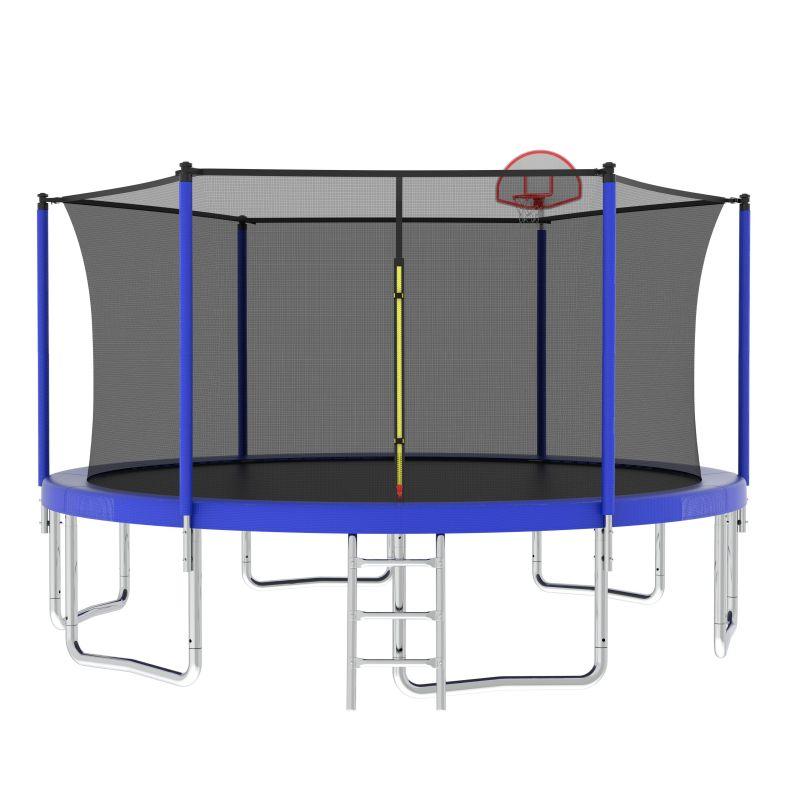
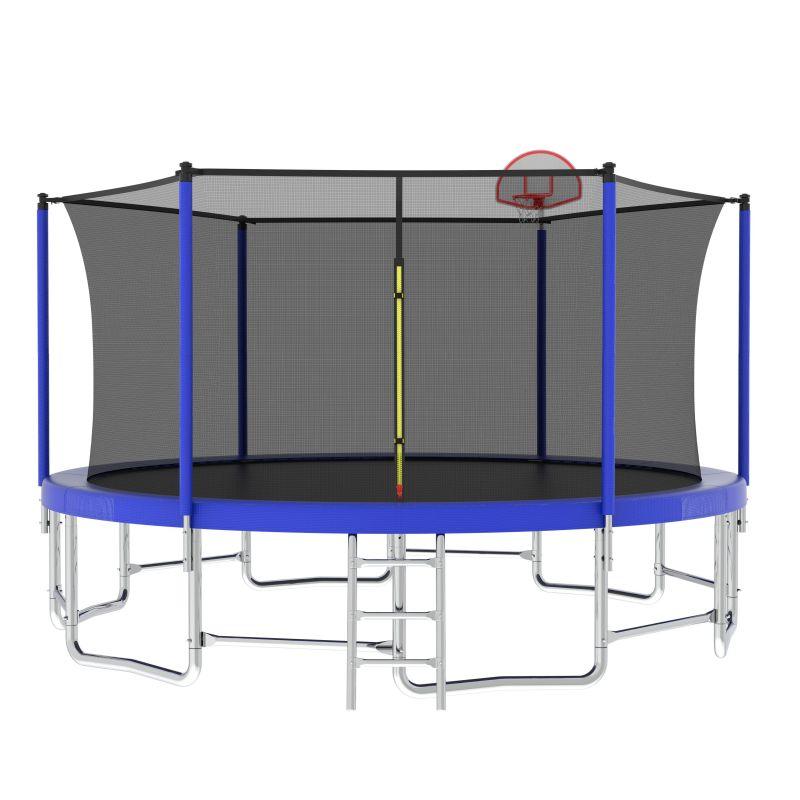
Explore MERSCO trampolines designed for family backyard play, with thoughtful features for outdoor enjoyment.

Leave a comment